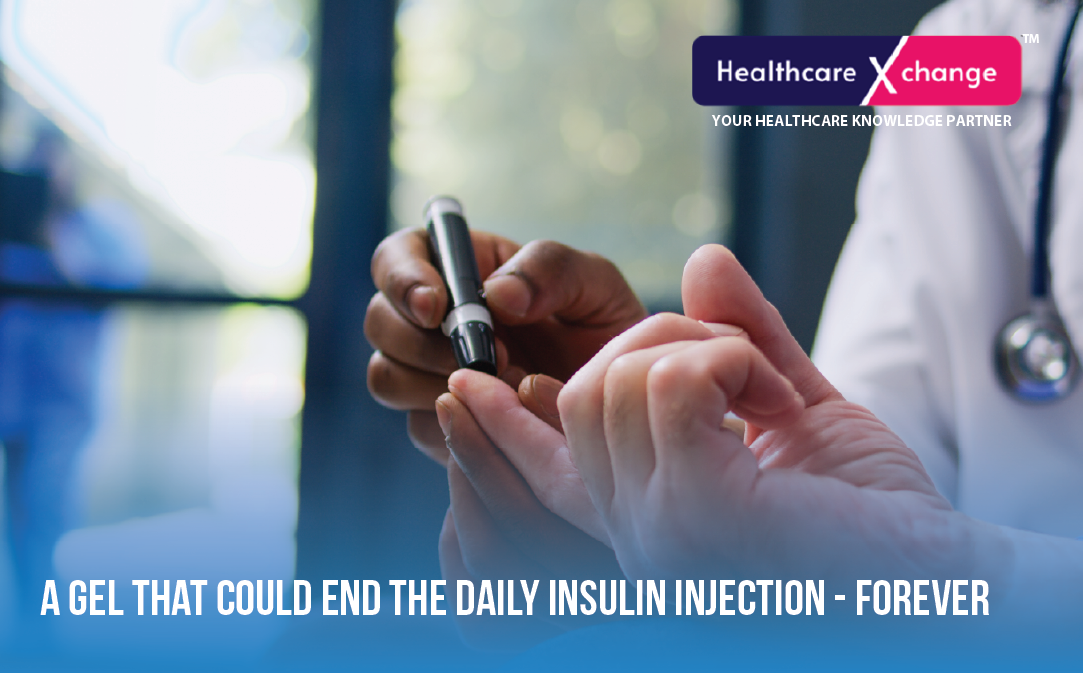
A Gel That Could End the Daily Insulin Injection – Forever
- Medical Equipment and Devices
- May 28, 2026
Highlights:
- Amniogel, a bio-compatible human amniotic membrane, could help diabetics regulate blood sugar levels without needing insulin
- Amniogel’s bioactive environment ensures the long-term survival of transplanted insulin-producing cells, representing a hallmark advance in Type 1 diabetes treatment
For more than 500 million people worldwide living with diabetes, daily insulin injections have been a necessary part of their lives. This is especially true for those with Type 1 diabetes, as their immune system attacks the insulin-producing β cells in the pancreas, leading to uncontrolled blood sugar levels. As a result, these patients must take insulin injections every day for the rest of their lives. However, a new development from Geneva could soon change things.
Scientists at the University of Geneva (UNIGE) and Geneva University Hospitals (HUG) have created a hydrogel known as Amniogel. This innovative material successfully regulated blood sugar levels in diabetic mice for over 100 days without the need for insulin injections. The research, published in Trends in Biotechnology, marks a major step toward developing a functioning bioartificial pancreas.
Past treatments for diabetes have had limitations
One approach involves transplanting pancreatic islets, which are clusters of cells that produce insulin and other hormones, but this method faces challenges such as a shortage of donor cells and the risk of the body rejecting the transplanted cells. When these islets are placed in the liver, which is the typical location for transplants, they often suffer from inflammation, loss of their natural supportive environment, and poor blood flow, making their survival difficult. The key problem wasn’t the cells themselves, but the surroundings in which they were placed.
This realisation led to the development of Amniogel. Led by Dr. Ekaterine Berishvili, an associate professor at UNIGE’s Department of Surgery, the research team shifted its focus from simply transplanting insulin-producing cells to creating a supportive environment that allows them to survive and function properly.
Amniogel, derived from human amniotic membrane through a clinically safe process, is an extracellular hydrogel that mimics a matrix. It is used to encapsulate pancreatic islets along with blood outgrowth endothelial cells (BOECs), helping to create prevascularised endocrine structures. To state simply, before the graft is implanted in the body, it already has a network of tiny blood vessels surrounding it.
Key features of Amniogel:
- Made from human amniotic membrane, which is naturally biocompatible
- Provides a protective, natural-like environment for transplanted islets
- Creates microvessels surrounding the islets before the graft is implanted
- Helps the graft connect quickly to the host’s bloodstream after transplantation
- Produced under conditions that meet Good Manufacturing Practice (GMP) standards, allowing for large-scale production
- Shaped into 9mm grafts resembling disks that are implanted outside the liver, avoiding the inflammatory environment of the liver
The results showed that these grafts helped keep blood sugar levels normal in diabetic mice for at least 100 days, which is significantly longer than current islet transplantation methods. In addition, since its production is GMP-compliant, Amniogel could potentially be used to support the transplantation of other cell types for various treatments beyond diabetes. This development is significant because Type 1 diabetes is currently only manageable, not curable. This technology offers a promising long-term solution to issues such as donor shortages, cellular stress, and graft rejection that now limit cell-based diabetes treatments.
While human clinical trials are still ongoing, Amniogel has achieved something that no prior treatment has done with such effectiveness. It has not only kept the transplanted cells alive but also given them a functional and supportive environment to thrive in.